Cordless Impact Drivers Showdown: Milwaukee M18 FUEL vs DeWalt 20V Max XR vs Makita 18V LXT
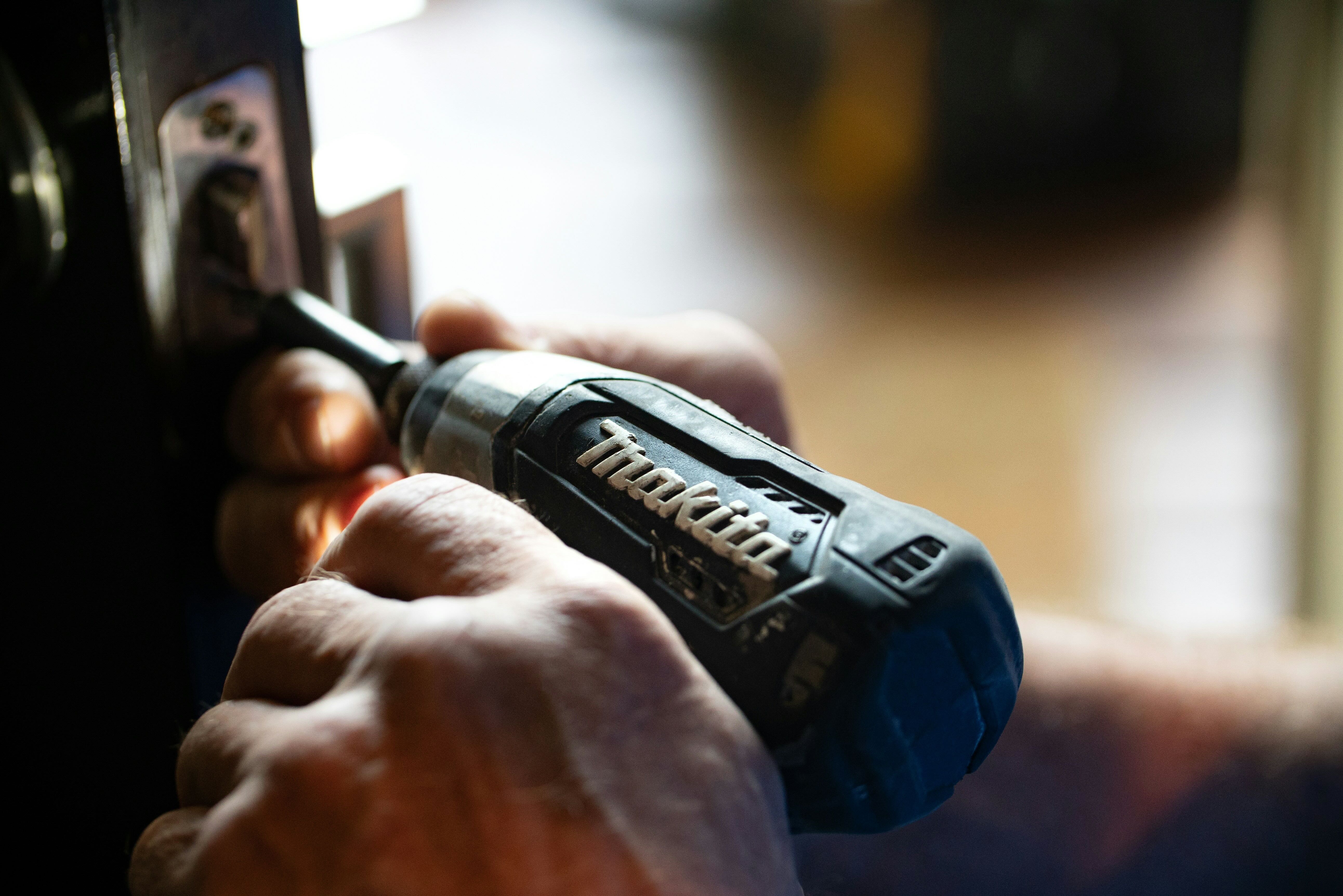
If you walk onto a commercial jobsite today and ask ten different tradesmen what impact driver is on their belt, you’ll get one of three answers nine times out of ten: Milwaukee M18 FUEL, DeWalt 20V Max XR, or Makita 18V LXT. Everything else is a rounding error.
The reason all three brands stay on jobsites isn’t because one is dramatically better than the others. It’s because once a crew commits to a battery platform, switching costs become real — and each platform has built a lineup that holds up under field conditions.
This is a practical comparison for the GC, foreman, or specialty contractor making a fleet-level buying decision: not just which driver punches a screw fastest, but which one your crew will still be using two years from now.
Spec Sheets Are Not the Whole Story
Manufacturers love to lead with peak torque numbers. Don’t lead with that.
Peak torque is a marketing spec measured under controlled conditions that don’t reflect how an impact driver actually performs on a wood ledger or a self-tapping screw into 14-gauge steel. What actually matters in the field is fastening torque — the torque the driver delivers under sustained use without stalling — and impacts per minute (IPM), which determines how quickly the driver works through a long screw without overheating.
The current flagship models from all three brands are within striking distance of each other on these metrics:
- Milwaukee M18 FUEL Gen 4 (2953/2853 series): roughly 2,000 in-lbs fastening torque, 4,300 IPM
- DeWalt 20V Max XR 3-Speed (DCF845): roughly 1,825 in-lbs fastening torque, 3,800 IPM
- Makita 18V LXT XDT19/XDT20: roughly 1,950 in-lbs fastening torque, 4,400 IPM
In real-world fastening — driving 3-inch screws into pressure-treated lumber, sinking lag bolts, or running self-tappers into steel studs — none of these will leave you waiting. The differences are perceptible to a trim carpenter doing the same task ten thousand times. They’re invisible to a framer who’s pulling the trigger 200 times a day.
Battery Platform Is the Real Decision
The single biggest factor in choosing an impact driver isn’t the driver itself — it’s the battery platform you’re locking into.
Each manufacturer has built a tool ecosystem with a specific battery format, and those batteries don’t cross over. Once you’ve spent $1,200 on a fleet of 5.0Ah batteries, switching brands means buying that fleet over again. For a GC outfitting a crew, this decision compounds across drills, circular saws, miter saws, recip saws, vacuums, and worksite radios.
Milwaukee M18 has the broadest tool lineup of the three — over 250 tools including specialty trades equipment, layout tools, lights, fans, heated jackets, inflators, and the new MX FUEL line that crosses into traditionally gas-powered equipment. If you’re a GC running multiple trades, the breadth matters.
DeWalt 20V Max has the second-broadest catalog and a strong FlexVolt system that runs both 20V and 60V tools off the same battery for high-draw equipment like table saws and miter saws. The 20V Max platform has been stable for a decade — your old 20V batteries from 2018 still work in your new tools, which protects fleet investment.
Makita 18V LXT is the platform of choice for finish carpenters, cabinetmakers, and trim specialists. The lineup has the highest concentration of finish-grade tools — track saws, finish nailers, laminate trimmers — but is narrower on heavy commercial trades. Makita has split focus between 18V LXT and the newer 40V XGT line, which complicates platform decisions for new buyers.
If your fleet is greenfield — no existing batteries — pick the platform whose tool catalog matches the trades you actually run, not the impact driver spec. The driver is an entry point. The platform is the commitment.
Durability Under Real Job Conditions
All three brands publish drop-test ratings and IP ratings. They’re roughly comparable. What separates them in the field is the failure modes specific crews encounter.
Trigger and switch failures. The most common impact driver failure isn’t motor burnout — it’s a trigger or forward-reverse switch that gets gummed up with concrete dust or sawdust. Milwaukee’s sealed switches have generally held up best in dusty environments. DeWalt’s switches are mid-pack. Makita’s older models had switch issues that newer generations have largely addressed.
Chuck wear. The 1/4-inch hex chuck on every modern impact driver eventually loosens with use, especially when the driver is used with low-quality bits that flex under load. Replacing the chuck is doable on all three platforms but is rarely worth the labor. Most crews retire the driver to backup duty when the chuck starts dropping bits.
Battery damage. The single most common reason impact drivers go down is battery damage — drops, water exposure, or freeze-thaw damage from being left in trucks overnight. All three platforms have battery management systems that prevent over-discharge, but the warranty handling varies. Milwaukee’s battery warranty service through their Heavy Duty Club is the fastest in the industry. DeWalt’s warranty is reliable but slower. Makita’s warranty service is typically the slowest of the three.
What Each One Is Genuinely Better At
If you’re buying for a specific use case rather than a general fleet, the brands separate.
Milwaukee M18 FUEL is the all-around heavy-commercial pick. The drivers are powerful, the battery platform is the broadest, and the warranty service is the fastest. If your crew is mixed-trade, working in commercial environments, and abusing tools daily, M18 FUEL is the safest fleet bet.
DeWalt 20V Max XR is the strongest pick for crews that need crossover with 60V FlexVolt high-draw tools — table saws, miter saws, larger cutoff saws — without managing two battery systems. The 3-speed driver also gives more granular control than its competitors, which carpenters working on finish work or sensitive materials appreciate.
Makita 18V LXT is the finish carpenter’s choice. The XDT series drivers have a reputation for smooth, predictable power delivery that makes them well-suited for sensitive applications — driving cabinet hardware, installing finish trim, or working with thin material where over-driving is a real risk. The driver is also lighter than its competitors, which matters for a trim carpenter doing repetitive overhead work.
What to Avoid
A few patterns lead to wasted fleet spending across all three brands.
Buying the entry-level brushed motor models for daily commercial use. Brushed motor drivers exist in every brand’s lineup at lower price points. They are fine for occasional homeowner use. They will burn out in months under daily commercial use. Always buy the brushless (“FUEL,” “XR,” “LXT brushless”) variant for crew work.
Buying batteries from third-party sellers. Counterfeit and questionable-grade batteries from online marketplaces fail at a much higher rate than OEM batteries and have caused jobsite fires. The price difference is real; so is the risk. Buy batteries from authorized dealers or directly from the manufacturer’s distribution channels.
Skipping the high-capacity batteries to save money. A 5.0Ah or 6.0Ah battery costs noticeably more than a 2.0Ah battery, but a crew running 2.0Ah batteries on impact drivers all day will burn through 4-6 batteries between charges. Issue 5.0Ah batteries to your crew. The math works.
Mixing platforms across the same crew. A crew running M18 drills, FlexVolt saws, and Makita finish nailers ends up with three different chargers in the truck, three different battery pools, and constant downtime when the wrong battery is reached for. Pick a primary platform and commit. A second platform, if necessary, should be reserved for specialty tools that don’t exist on the primary.
How to Choose
The honest answer for most GCs and specialty contractors is that all three brands will serve your crew well if you commit to the platform and equip your team with brushless drivers and 5.0Ah+ batteries.
If you have no existing platform and you run mixed commercial trades: Milwaukee M18 FUEL is the lowest-regret default.
If you have existing DeWalt batteries or you run high-draw tools that benefit from FlexVolt: DeWalt 20V Max XR with the 3-speed DCF845.
If you do finish work, cabinetry, or trim and value tool weight and finesse: Makita 18V LXT XDT19 or the newer XDT20.
The single biggest performance variable on a jobsite isn’t which driver your crew is using. It’s whether their batteries are charged, whether their bits are sharp, and whether they’re using the right driver for the work in front of them. All three brands solve the “which driver” question. The rest is on the foreman.
Jobsite Blog has no commercial relationship with Milwaukee, DeWalt, Makita, or any other tool manufacturer. This comparison reflects independent editorial judgment based on field observation across commercial sites.